
Will Your Job Change with AI?
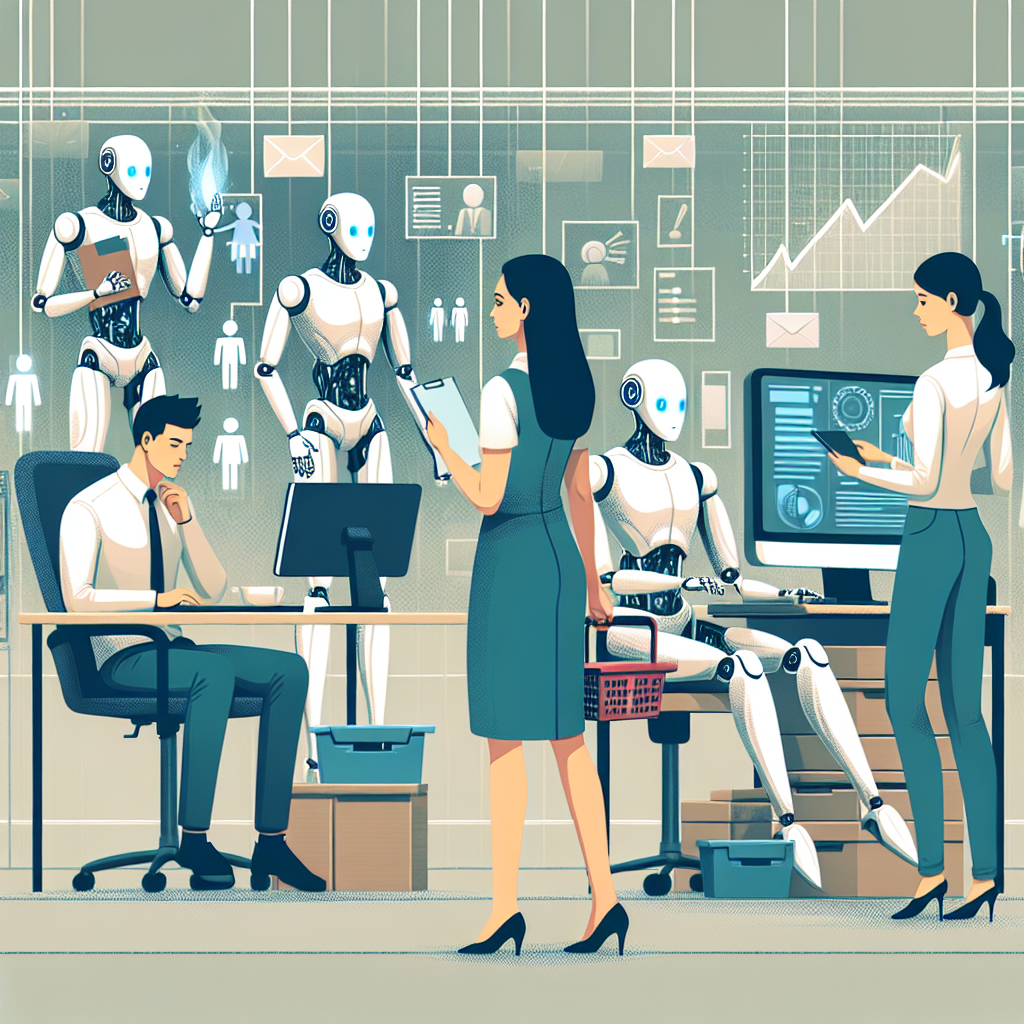
Artificial Intelligence (AI) has become a buzzword in recent years, with its potential to revolutionize various industries. As AI technology continues to advance, many people are concerned about the impact it will have on their jobs. Will AI replace human workers? Will certain professions become obsolete? In this article, we will explore the potential changes AI may bring to the job market and how individuals can adapt to thrive in this new era.
The Rise of AI
AI refers to the development of computer systems that can perform tasks that typically require human intelligence. From voice assistants like Siri and Alexa to self-driving cars and advanced data analysis, AI is already transforming various aspects of our lives. According to a report by McKinsey, AI has the potential to automate around 30% of current work activities across various industries.
Examples of AI in the Workplace
- Chatbots: Many companies are using AI-powered chatbots to handle customer inquiries and provide support.
- Data Analysis: AI algorithms can analyze vast amounts of data to identify patterns and make predictions, aiding decision-making processes.
- Robotic Process Automation (RPA): Repetitive tasks, such as data entry and invoice processing, can be automated using AI-powered robots.
The Impact on Jobs
While AI has the potential to automate certain tasks, it is unlikely to completely replace human workers. Instead, it is more likely to augment human capabilities and change the nature of work. Some jobs may become obsolete, while new roles will emerge. According to a study by the World Economic Forum, by 2025, the division of labor between humans and machines will shift, resulting in a net increase in job opportunities.
Jobs at Risk
Jobs that involve repetitive tasks and can be easily automated are at higher risk. For example, assembly line workers, data entry clerks, and telemarketers may see a decline in demand as AI takes over these tasks. However, it is important to note that AI will also create new job opportunities.
New Job Opportunities
As AI technology advances, new job roles will emerge. These roles will require skills that complement AI capabilities, such as creativity, critical thinking, and emotional intelligence. For example, AI may automate data analysis, but human analysts will still be needed to interpret the results and make strategic decisions based on the insights.
Adapting to the AI Era
To thrive in the AI era, individuals need to adapt and acquire new skills that are in demand. Here are some strategies to consider:
Lifelong Learning
Continuous learning is crucial to stay relevant in a rapidly changing job market. Upskilling and reskilling programs can help individuals acquire the necessary skills to work alongside AI. Platforms like Coursera and Udemy offer a wide range of online courses on AI-related topics.
Embrace Creativity and Emotional Intelligence
AI may excel at tasks that require logical reasoning and data analysis, but it still struggles with creativity and emotional intelligence. Developing these skills can make individuals more valuable in the workplace. Jobs that involve human interaction, such as counseling or creative fields like design and writing, are less likely to be fully automated.
Collaboration with AI
Instead of viewing AI as a threat, individuals can embrace it as a tool to enhance their productivity. Learning how to effectively collaborate with AI systems can lead to more efficient and effective work processes. For example, using AI-powered tools for data analysis can help professionals make more informed decisions.
Conclusion
While AI will undoubtedly bring changes to the job market, it is unlikely to completely replace human workers. Instead, AI will augment human capabilities and change the nature of work. Jobs that involve repetitive tasks are at higher risk of automation, but new job opportunities will also emerge. To thrive in the AI era, individuals need to adapt, acquire new skills, and embrace the collaboration between humans and AI. By staying proactive and continuously learning, individuals can position themselves for success in a world where AI plays an increasingly significant role.